Home › Asphalt Resurfacing & Overlays
Homeowners in New York, NY choose asphalt resurfacing when their driveway surface is worn but the base is still strong. Our team mills or cleans the existing asphalt, then installs a new overlay for a like new finish. This process can fix minor surface damage, improve drainage, and extend the life of your driveway at a lower cost than full replacement.
Precision Asphalt New York provides professional asphalt resurfacing throughout New York, NY, New York and the surrounding area. Our licensed, insured crew delivers safe, clean, on-time work with a free estimate before anything begins. Call (332) 264-5090 or request your free quote.
Asphalt Resurfacing in New York, NY: When It Beats a Full Replacement
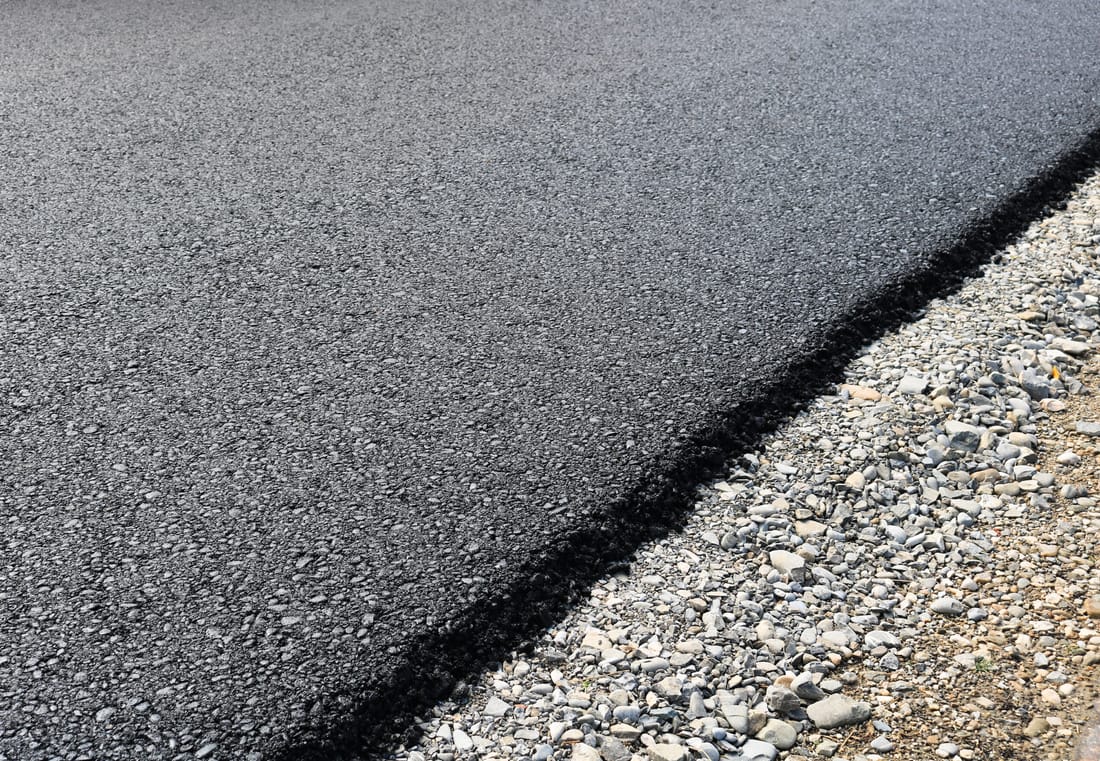
In New York City, asphalt takes a beating from traffic, delivery trucks, freeze-thaw cycles, and road salt. Many property owners call Precision Asphalt New York assuming they need a full tear out, but in a lot of cases asphalt resurfacing is the smarter move. Resurfacing means we keep the existing base and structure, correct the problems on top, then install a fresh asphalt layer (called an overlay) to restore a smooth, solid surface.
Resurfacing is a good fit when the pavement base is stable, there are no major drainage failures, and damage is mostly in the top couple of inches. Think widespread cracking, ruts where tires sit, surface-level potholes, or an old, gray, rough lot that is structurally sound underneath. If your asphalt is alligatored edge to edge, sinking in areas, or you have chronic standing water that reaches the building, a full reconstruction might be better. We always walk the site with you in person, probe soft spots, look at subgrade signs, and explain honestly whether asphalt resurfacing makes sense for your New York property.
This service is especially popular for apartment and condo parking areas, small commercial lots, restaurant and retail parking, and private drive aisles to loading docks. In the city, shutting down a lot for a full tear out can choke off deliveries and customers. Resurfacing often lets us work in phases with shorter closures and less disruption. We plan around your busy hours and coordinate with building management so residents, employees, and deliveries can still function while we work.
How Our Asphalt Resurfacing & Overlay Process Works
At Precision Asphalt New York, we follow a step-by-step resurfacing process that is tailored to dense New York conditions: tight sites, busy streets, and limited access. The first phase is inspection and planning. We walk the entire site, mark drainage issues, cracked areas, and utility covers, and identify traffic patterns. We pay close attention to doors, sidewalk crossings, ADA ramps, and garage entries so the overlay does not create trip edges or clearance problems.
Next comes surface prep and localized repairs. We mill or saw cut around potholes and heavily broken areas, then dig down to solid material. Soft spots get removed and rebuilt with compacted aggregate base so the new overlay has real support. Long, wide cracks are routed and filled with a hot-pour crack sealant. We also clean out any oil-saturated areas near loading docks and dumpster pads, sometimes using infrared heat or additional milling, because oil-contaminated asphalt will not bond properly to new material.
Once repairs are complete, we address profile and drainage. If water currently flows toward your building or pools in certain areas, we use machine milling to cut grades so water runs to catch basins or the street gutter. In New York, a lot of older lots were built without proper pitch. Correcting that before we overlay is essential or you will keep getting ice sheets and puddles.
Before paving, the existing surface is thoroughly cleaned with mechanical sweepers and blowers. We then apply a tack coat, which is a thin asphalt emulsion sprayed onto the old pavement. This tack coat is what bonds your old asphalt to the new overlay. Skipping or skimping on tack is one of the biggest shortcuts bad contractors take, and it is a major reason overlays peel or slip later.
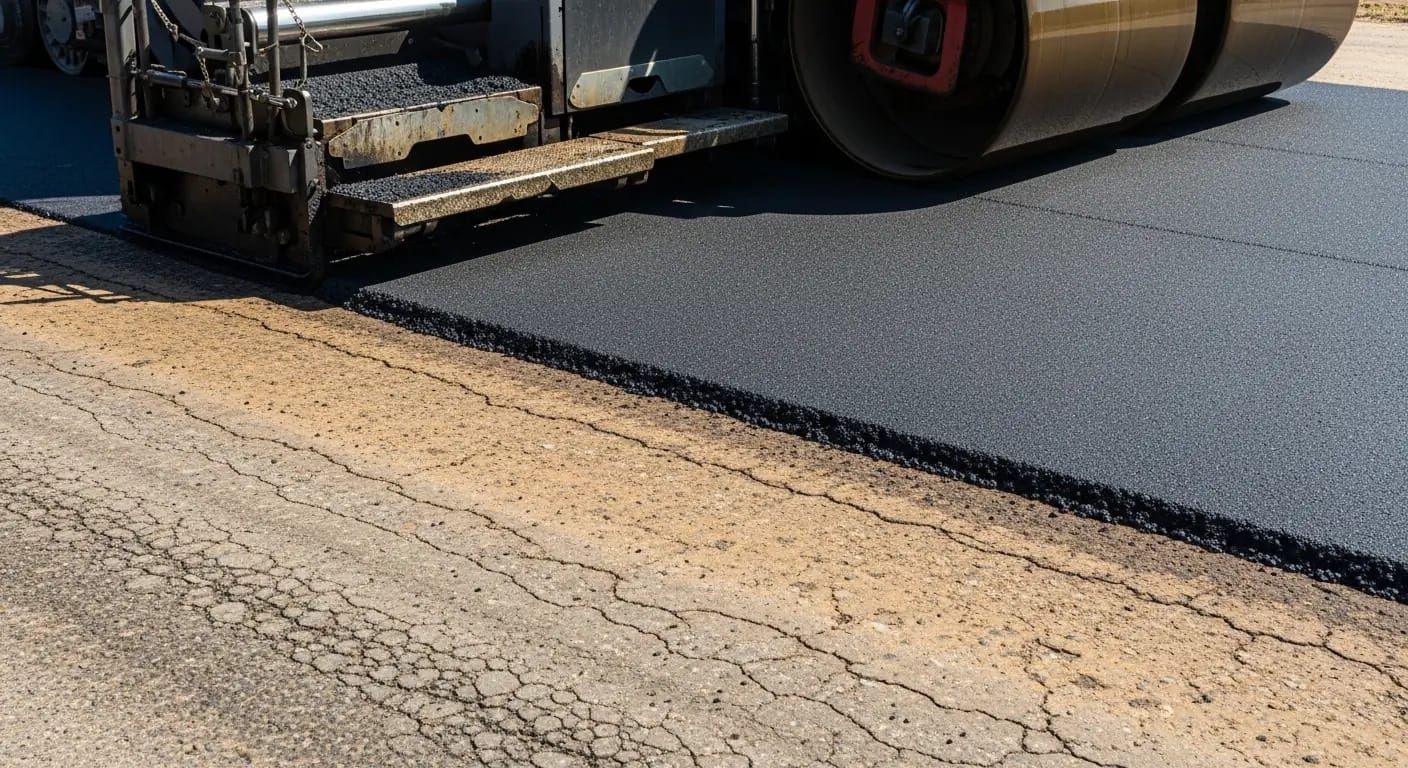
Finally, we place the new asphalt overlay with a commercial paver, then compact it with steel drum and pneumatic rollers. For most New York lots, overlays are 1.5 to 2 inches thick, though high truck traffic lanes might get thicker lifts. We roll edges carefully at sidewalks and entrances to prevent abrupt bumps, and we adjust around manholes and utility valves so they stay at the correct finished height.
Material Options, Thickness, and Design Choices for Your Overlay
Asphalt resurfacing is not one size fits all. The mix design, overlay thickness, and details like reinforcement fabric or leveling courses all affect how long your pavement will last. At Precision Asphalt New York, we match materials and design to how your pavement is actually used.
For light duty areas such as residential driveways, small office parking, or visitor spaces, we typically recommend a 1.5 to 2 inch overlay with a dense graded asphalt mix. It provides a smooth finish and good durability for cars and light service vehicles. For loading zones, truck aisles, and delivery areas that see heavy vehicles, we may use a stronger binder course mix or increase thickness to 2.5 inches or more in those specific lanes instead of overbuilding the entire site.
On older pavements with significant cracking but a sound base, we may propose an intermediate leveling course before the final overlay. This is a thin asphalt layer used to correct waves, dips, and ruts so the final driving surface is uniform. In some cases we install paving fabric or a stress absorbing membrane between the old pavement and new overlay. This helps slow down crack reflection, which is when old cracks slowly work their way back up through the new asphalt.
You also have choices regarding the final surface texture and appearance. For properties that want a darker, cleaner look, we can plan a sealcoat after the new overlay has cured for the recommended time. This is common for co-op parking areas and retail centers that want a fresh, sharp appearance. For properties that need clear traffic flow, such as mixed-use buildings with garage entries or loading docks off side streets, we can adjust striping and layout at the same time as the overlay to add stop bars, arrows, or reconfigured parking spaces.
Because New York winters are harsh, we select mixes that handle frequent freeze-thaw cycles and deicing salts. We also focus on smooth transitions where plows meet the new asphalt at street entrances so snow equipment does not catch edges and tear up your overlay in the first season.
What Drives Asphalt Resurfacing Cost in New York City
Property owners in New York often want a quick ballpark number, but asphalt resurfacing cost is driven by a handful of real factors. Understanding these will help you compare quotes fairly and spot where corners might be cut.
Square footage and thickness are the biggest pieces. More area and thicker lifts mean more tons of asphalt. However, two lots of the same size can differ in price if one needs extensive base repair or milling for drainage corrections. If we have to cut out and rebuild many soft spots, or mill deep around catch basins and garage doors, labor and trucking time increase.
Access is another big New York-specific factor. In tight Manhattan and borough locations, there may be limited staging space for trucks and equipment. If dump trucks must queue on a busy street or we have to schedule smaller, more frequent loads, production slows down. Night or off-hours work to avoid traffic or to accommodate building operations may carry a premium, although many commercial clients find it worth it to keep business running.
Drainage improvements also affect cost. Simple overlays with no grade changes are less expensive. If your lot needs profile milling to fix ponding, new or adjusted catch basin rims, or reworking of curbing to establish proper pitch, that adds some upfront cost but usually saves money over time by avoiding repeated patching and slip-and-fall issues.
Material choices influence pricing as well. Stronger mixes for truck areas, leveling courses, or the use of paving fabric will cost more initially but extend life. We always outline these options clearly so you can decide what makes sense for your property, rather than hiding them in a lump sum.
Finally, traffic control and phasing play a role in New York City. If you need us to keep fire lanes open, maintain access to parking garages, or work in multiple phases so tenants always have a place to park, we will design a schedule and layout that does that. It can take a bit longer, but avoids towing, confusion, and tenant complaints. We line item these planning and control costs so you can see what you are paying for and why.
What New York Property Owners Should Know Before Hiring an Asphalt Resurfacing Contractor
Before you commit to asphalt resurfacing, it pays to know what to ask and what to watch for. Precision Asphalt New York encourages customers to walk the site with any contractor who bids the job. If someone gives you a resurfacing quote without inspecting drainage, base condition, and access, that is a red flag.
Ask specifically how they will handle drainage and ponding areas. A good resurfacing plan will explain where water will go after the overlay, how they will adjust grades, and whether any milling is needed to protect thresholds and ADA ramps. In New York, ignoring drainage often results in ice patches near sidewalks and garage entries, which quickly become safety and liability problems.
You should also ask about preparation and bonding. A quality contractor will describe cleaning, patching, crack filling, and the use of tack coat. If a bid seems much lower than others, it may leave out important steps like base repair or tack, which will not be obvious until a winter or two has passed and your overlay starts to fail.
Scheduling and communication are critical in the city. Make sure your contractor is prepared to coordinate with building management, post notices to tenants, and handle any required permits or approvals. For many New York properties, we phase work by section, keep fire department access clear, and keep you updated in real time if weather forces changes.
Finally, get clarity on what is included after the asphalt resurfacing is complete. This includes striping, curb painting, and any follow-up to address low spots or minor adjustments. At Precision Asphalt New York, we return to re-stripe once the surface is ready if that is part of the scope, and we walk the finished project with you so any concerns are caught immediately. The goal is a resurfaced lot or driveway that looks good, drains correctly, and holds up to New York use for years, not just one or two seasons.