Home › Commercial Asphalt Resurfacing & Overlays
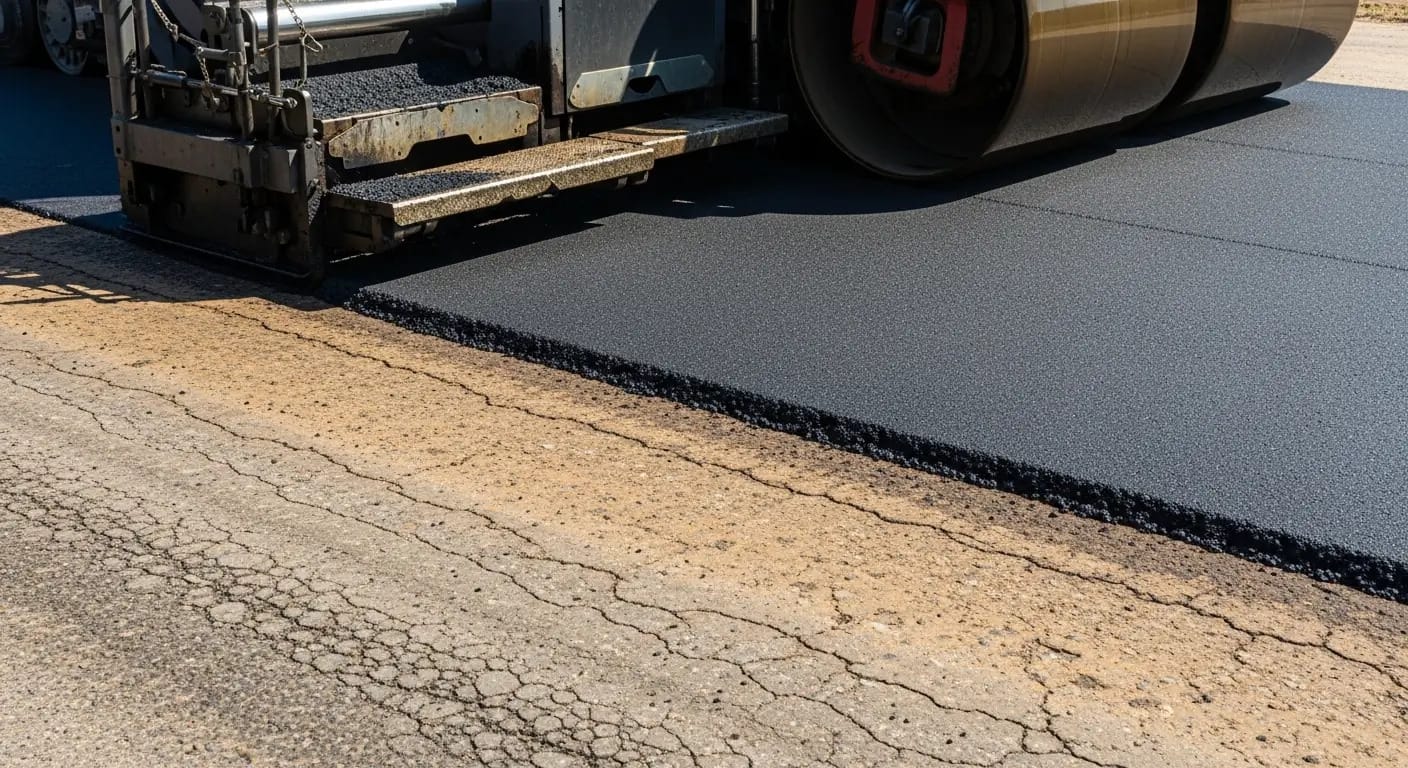
Our commercial asphalt resurfacing in New York, NY gives tired parking lots and drives a cost effective second life. We repair failed areas, adjust drainage, and then install an overlay or mill and overlay as needed. The new surface improves ride quality, appearance, and safety while avoiding the cost of full depth reconstruction when the base is still sound.
Precision Asphalt New York provides professional commercial asphalt resurfacing throughout New York, NY, New York and the surrounding area. Our licensed, insured crew delivers safe, clean, on-time work with a free estimate before anything begins. Call (332) 264-5090 or request your free quote.
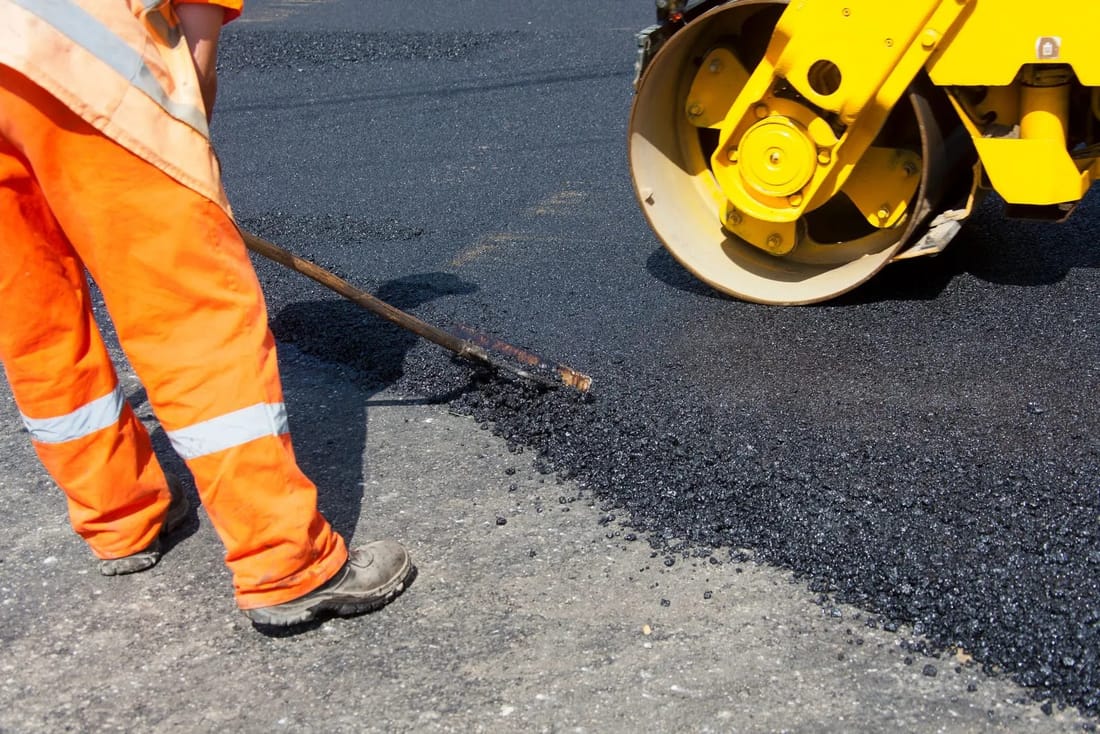
Commercial Asphalt Resurfacing in New York, NY
Busy New York properties put a lot of stress on asphalt. Delivery trucks cut tight turns into loading zones, ride-share traffic grinds at your entrances, and winter freeze-thaw cycles open up cracks faster than they can be patched. Commercial asphalt resurfacing gives your lot, driveway, or private roadway a new usable surface without the cost of a full tear-out.
Precision Asphalt New York focuses on resurfacing and overlay work for commercial sites in the five boroughs. We understand the realities of operating in New York City: restricted work windows, tight access, strict DOB and DOT requirements, and the need to keep your tenants, customers, or staff moving even while work is underway.
Resurfacing is ideal when your asphalt looks rough, has scattered potholes and fatigue cracking, but the base underneath is still structurally sound. Instead of excavating the entire area, we repair and reprofile only where needed, then install a new asphalt layer on top. The result is a smooth, clean surface that performs like a new lot, usually at 30 to 50 percent less cost and in far less time than full reconstruction.
How Commercial Asphalt Resurfacing & Overlays Are Done
A quality overlay project is much more than just “paving over” old asphalt. Precision Asphalt New York follows a step-by-step process tailored to New York commercial sites.
First, we evaluate the existing pavement. We walk the site, mark structural failures, and core or test suspect areas if needed. Alligator cracking, deep depressions that hold water, and soft spots usually need full-depth repairs before any overlay goes down.
Next, we mill or plane transitions. At entrances, loading docks, garage thresholds, and sidewalk crossings, we typically use a milling machine to remove a controlled thickness of the old asphalt. This allows the new overlay to tie in flush with existing concrete, building slabs, and drainage structures so you do not end up with trip edges or water puddling at the seams.
We then perform base and patch repairs. Any sections with failed base material are cut out, excavated, and rebuilt with compacted stone and new hot mix asphalt. Manholes, catch basins, and utility boxes are raised or reset to match the finished overlay height.
Once the surface is structurally sound, we clean and tack coat. Debris, vegetation, and dust are removed with mechanical sweepers and blowers. A tack coat (a sprayed asphalt emulsion) is applied to help the new asphalt bond strongly to the old pavement.
Finally, we install and compact the overlay. Depending on use, we place 1 to 2.5 inches of commercial hot mix asphalt, compacted with steel drum and pneumatic rollers. Joints are sealed, and after cooling, we return to restripe, add traffic markings, and, if specified, install wheel stops or bollards.
Overlay Options for Different New York Commercial Properties
Not every commercial property needs the same resurfacing approach. Precision Asphalt New York customizes mixes, thicknesses, and details based on your use, traffic volume, and site constraints in New York City.
For retail plazas and shopping centers, we focus on smooth driving lanes, clean pedestrian crossings, and fast turnaround times. Typical overlays range from 1.5 to 2 inches with standard NYSDOT-approved hot mix asphalt. We often phase the work over several nights so stores can remain open during the day.
For co-op and condo parking areas or private HOA roads, appearance and drainage are usually top priorities. In these cases we may correct low spots by leveling with fine grading and spot patching first, then install a uniform overlay so snow melt and rainwater flow to existing basins instead of toward entrances or residential walkways.
For industrial facilities, warehouses, and delivery yards, heavier truck loading requires thicker and more robust overlays. We may recommend 2 to 2.5 inches of a heavier-duty surface mix and sometimes an added leveling course to eliminate ruts from trailer traffic. Where trucks constantly turn, such as at loading docks, we may cut out and rebuild these areas before overlaying, instead of simply adding thickness.
For medical centers, schools, and religious facilities, safety and access cannot be interrupted for long. We schedule work around events, shift changes, and school hours, and we coordinate traffic control in advance so drop-off zones and emergency routes remain open wherever required.
What Drives Commercial Asphalt Resurfacing Cost in New York
Commercial asphalt resurfacing in New York, NY is influenced by several specific cost drivers, many of which are unique to city projects.
The first factor is surface area and overlay thickness. More square footage and thicker layers naturally increase material and labor costs. A 1-inch overlay on a light-duty lot may be enough, but a truck-intensive site will likely require 2 inches or more for durability.
The second major factor is prep work and base repair. Lots with long-running cracks, repeated patching, or ponding water often need localized milling, excavation, and stone base replacement before the overlay can be installed. These “surgical” repairs add cost but are necessary to prevent the same failures from reflecting through the new layer.
Access and logistics in New York City can also affect pricing. Limited staging space, tight alleyways, parking restrictions, and required night work on busy streets may increase labor time. Permits, police details, or maintenance and protection of traffic setups are sometimes required and are incorporated into project estimates.
Drainage and utility adjustments are another consideration. Raising manhole covers, adjusting catch basin grates, and creating proper flow lines to existing storm structures all require skilled labor. If drainage issues are not corrected before overlaying, water can infiltrate and break down the new surface prematurely.
Finally, finishing details like pavement markings, ADA-compliant striping, signage, and speed humps are part of the overall budget. Precision Asphalt New York presents these as line items so property managers, boards, and owners can clearly see where investments are going and make informed decisions.
Common Asphalt Problems in NYC and How Resurfacing Fixes Them
New York’s climate and traffic patterns create consistent asphalt issues that we see across commercial properties, from small mixed-use lots to large retail centers.
Alligator cracking, the spiderweb patterns often seen in drive lanes and loading zones, typically comes from repeated stress over a weakened base. During resurfacing, we do not simply cover these areas. We cut them out, rebuild the base, and then overlay so the pattern does not reappear through the new surface.
Potholes and patchwork repairs are very common after harsh winters and utility work. Isolated potholes might be patched, but when they are widespread, a resurfacing overlay is more cost effective and provides a consistent driving surface. Before overlaying, we saw-cut and remove loose material, square up the edges, and repair the base so the new layer is supported.
Ponding water is especially problematic in older lots that have settled over time. Standing water accelerates asphalt deterioration and becomes a slip hazard in winter. As part of an overlay project, we can re-establish positive drainage by fine grading, milling high spots, filling low areas, and adjusting inlets so that water sheds properly.
Raveling and surface wear occur from age, snow plow blades, and de-icing salts. If the surface has lost its fines and aggregate is popping out, but the underlying structure is sound, a properly bonded overlay will restore a dense, smooth surface that resists further raveling.
Where underground utilities cut across lots, trench settlements frequently show up as long dips. During overlay prep, these trenches can be milled, recompacted, and leveled to eliminate the dip before the new asphalt layer is placed.
Planning Your Resurfacing Project With Precision Asphalt New York
A successful commercial asphalt resurfacing project in New York starts with clear planning and coordination. Precision Asphalt New York begins with a site visit and detailed conversation about how your property operates. We ask about peak traffic periods, truck delivery windows, tenant schedules, and any special access requirements so we can phase work with minimal disruption.
We then provide a written proposal that outlines the areas to be resurfaced, the type and thickness of overlay, base repairs, drainage corrections, and striping layout. For boards and ownership groups, we can separate pricing by sections or phases so you can complete work over multiple budget cycles if needed.
Scheduling is coordinated with city regulations, including noise ordinances and applicable DOT or DOB requirements. On many commercial projects we work during off-hours or nights so daily operations can continue. We handle traffic control setups, temporary signage, and cones or barricades to guide vehicles and pedestrians safely around active work areas.
Throughout the project, a dedicated foreman remains on site as your point of contact. Progress updates, any unforeseen conditions, and schedule adjustments are discussed in real time. At the end of the job, we walk the site with you, confirm finished grades, review striping, and discuss maintenance tips to extend the life of your overlay.
With the right planning and execution, commercial asphalt resurfacing provides years of service life, improves curb appeal, and reduces liability risks from potholes and poor drainage, all without the extended downtime of full reconstruction in a busy New York environment.