Home › Commercial Gravel-to-Asphalt Conversions
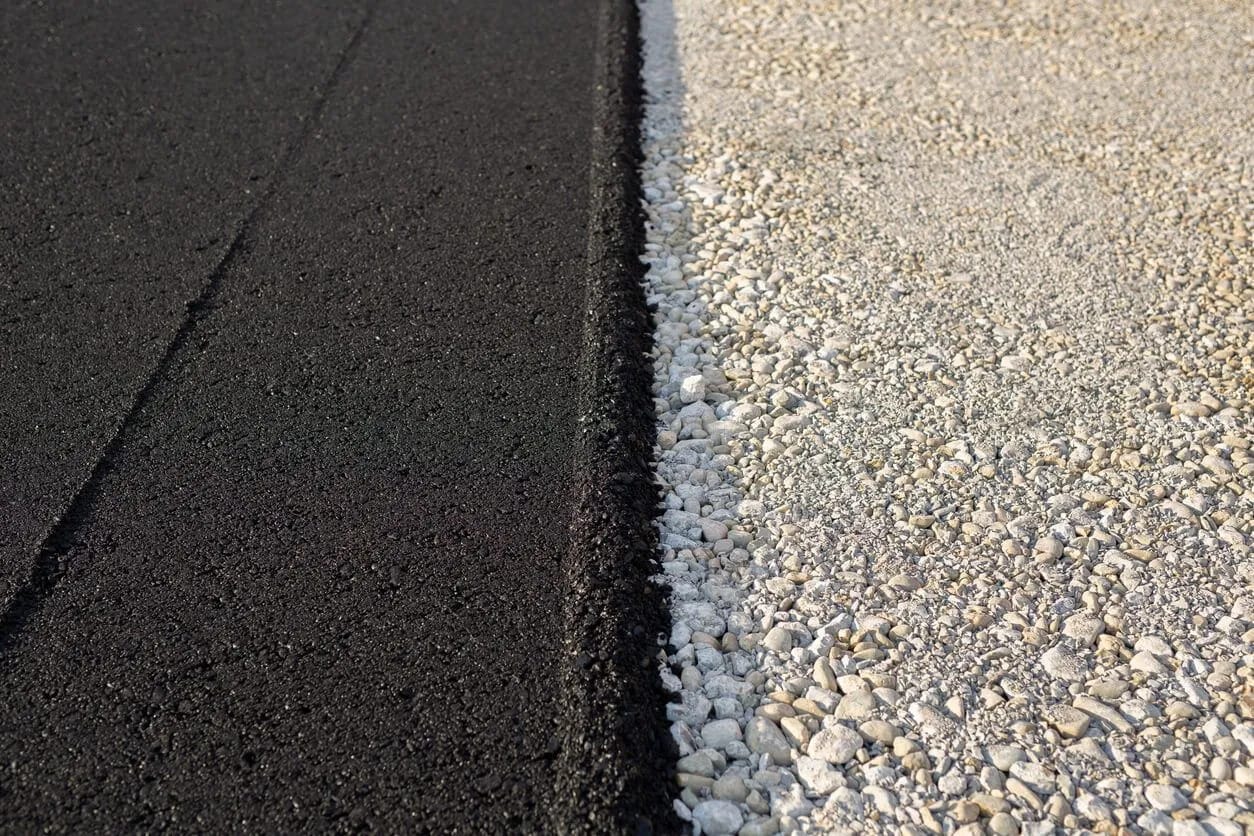
Upgrade your gravel lot or drive in New York, NY with our commercial gravel to asphalt conversion services. We analyze existing stone, reinforce and compact the base, then pave with asphalt designed for your traffic load. The new surface reduces dust and mud, improves accessibility, and presents a more professional appearance to customers and tenants.
Precision Asphalt New York provides professional commercial gravel to asphalt throughout New York, NY, New York and the surrounding area. Our licensed, insured crew delivers safe, clean, on-time work with a free estimate before anything begins. Call (332) 264-5090 or request your free quote.
Turn Your Gravel Lot Into a Durable Asphalt Surface
If you are tired of grading ruts out of a gravel parking lot or sweeping rock out of your building every week, a commercial gravel to asphalt conversion can be a smart upgrade. Precision Asphalt New York helps businesses in New York, NY turn loose, dusty gravel areas into smooth, striped asphalt lots that look professional and are easier to maintain.
A conversion project is not just spreading asphalt over stone. We start by evaluating what you have. We look at how thick your existing gravel base is, how water currently drains, how trucks move through the site, and where you have soft spots. In New York City, we also pay close attention to property lines, sidewalk rules, and access for deliveries so that construction does not interfere with your operations any more than necessary.
Commercial property owners are often surprised that the existing gravel base can sometimes be reused, which can reduce cost and disruption. Other times, especially on older lots that were built informally over the years, we find thin areas or buried debris that must be corrected before asphalt goes down. Taking the time to diagnose the true condition of the base is what separates a long lasting pavement from one that starts to crack after the first New York winter.
How a Commercial Gravel-to-Asphalt Conversion Actually Works
Once you approve a plan, Precision Asphalt New York follows a step-by-step process that is tuned for commercial sites in New York, NY.
1) Grading and base prep. We shape the gravel to establish a proper crown or slope toward catch basins or swales. In the city, we often have to match fixed elevations at the sidewalk, building entrances, and loading docks, so precise grading is critical. Soft areas are undercut and replaced with compacted crushed stone, usually a DOT approved aggregate that locks together under compaction.
2) Compaction and proof rolling. After grading, we compact the base using vibratory rollers, then use a loaded truck to proof roll key areas. If the base deflects or pumps under the load, we identify and repair those spots before paving. This is especially important in former gravel lots that have seen years of rutting and ponding.
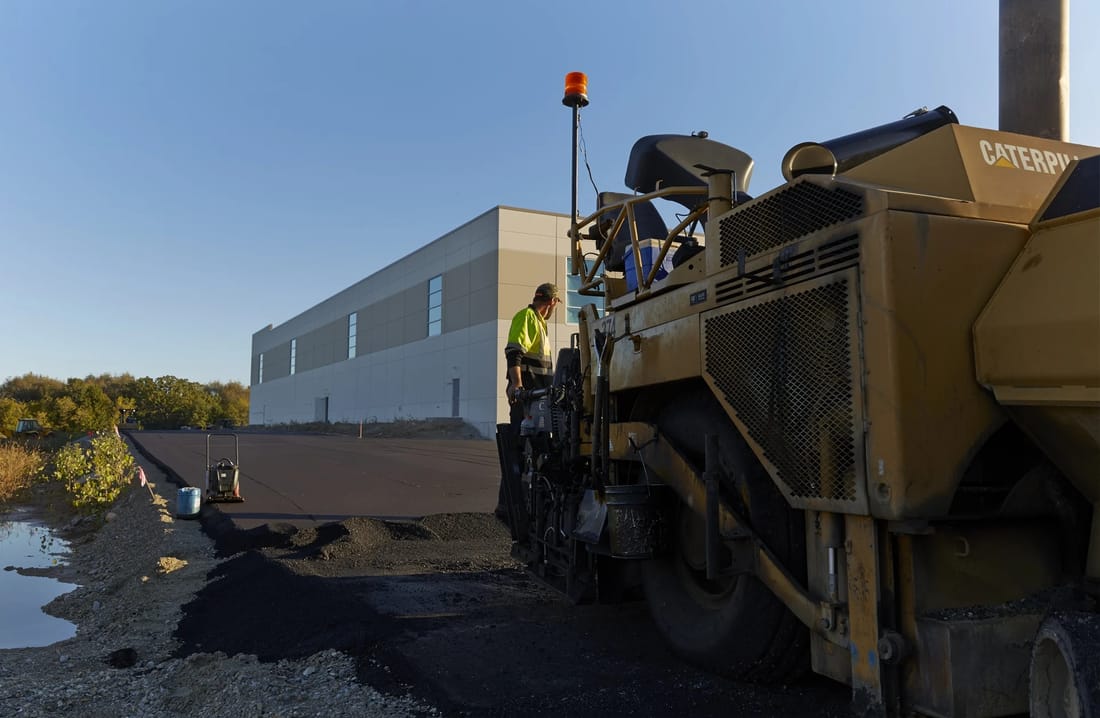
3) Binder course (if needed). For heavy commercial use, we generally recommend a two course asphalt system, starting with a binder course. This is a thicker, coarser asphalt layer, often 2 to 3 inches compacted, that provides structural strength. We install it with a commercial paver and compact it with steel drum and pneumatic rollers.
4) Surface course. On top of the binder, or directly on the stone base for lighter duty uses, we place a finer mix surface course, usually 1.5 to 2 inches compacted. This is the smooth, black finish you see and drive on. In New York, we select mix designs that balance rut resistance with flexibility to handle freeze thaw cycles.
5) Striping and finishing. Once the asphalt has cooled, we re stripe parking stalls, ADA spaces, fire lanes, loading zones, and directional arrows. If your conversion changes traffic flow, we help you rethink layout so customers and trucks can move safely through the new paved area.
Design Options for Different Types of Commercial Properties
Not every commercial gravel to asphalt project is the same. Precision Asphalt New York tailors the design to your specific property in New York, NY, whether you run a retail plaza, warehouse, medical office, or mixed use building.
For retail and office parking, we usually focus on appearance, pedestrian safety, and maximizing stall count without creating tight maneuvers. This often means a 2 inch surface over a 2 to 3 inch binder, with clear ADA compliant access routes and crosswalk markings. We can integrate curb islands, cart corrals, and loading zones into the new layout.
For warehouses, distributors, and other truck heavy facilities, we design for axle loads and turning stress. That can mean thicker sections, sometimes 3 inches of binder under a 2 inch surface, or even localized thickening in dock approaches and tight turning areas. We also pay extra attention to joint locations so truck trailers do not continually impact the same seams and cause early failure.
In multi family and mixed use properties, we often balance budget with durability by upgrading only the most heavily loaded areas to thicker asphalt, and using a standard section elsewhere. We can also stage the work in phases so residents or tenants always have access to some parking while we convert the rest.
We also consider your drainage and utilities. On New York City sites, catch basins, manholes, and utility covers are common. As part of the conversion, we adjust these structures to the new asphalt elevation and, if needed, rebuild deteriorated basin tops so you do not end up with low spots or trip hazards around them.
What Affects Cost and Timeline in New York, NY
Property owners often ask why quotes for commercial gravel to asphalt work can vary so much. The largest cost drivers are base condition, thickness of asphalt required, drainage corrections, and site access.
If your existing gravel base is thick, well compacted, and drains reasonably well, we may only need to fine grade and compact before placing asphalt, which keeps costs manageable. If we find extensive soft subgrade, organic material, or standing water, we have to excavate and replace more material, which increases both material and trucking costs.
Asphalt thickness matters. A light duty car lot with minimal truck traffic might be comfortable with a single 2 to 3 inch asphalt section. A grocery store with frequent deliveries or a distribution facility usually justifies a thicker, two course section that costs more up front but reduces rutting and patching later.
New York specific factors also come into play. Work hours may be restricted by the building, neighbors, or local rules. Tight sites may require more handwork and smaller equipment. Winter freeze and spring thaw mean our main paving window for conversion projects is usually April through early November, depending on temperatures. We can still complete some work in cooler weather, but we must be careful about asphalt temperature and compaction time to avoid weak spots.
A realistic timeline for a typical small commercial lot conversion, in the 10,000 to 20,000 square foot range, is 2 to 4 days on site, assuming no major base reconstruction is needed. Larger or more complex sites can run a week or more, especially if work must be phased so you can keep operating.
Planning Your Conversion With Precision Asphalt New York
Before you green light a commercial gravel to asphalt project, it helps to know what to look for in a contractor in New York, NY. You want someone who is not just a paver, but understands grading, drainage, and commercial use patterns.
When you contact Precision Asphalt New York, we start with a site visit, not just an aerial measurement. We walk the lot with you, ask how the space is used throughout the day, look for drainage paths and problem spots, and review any city or landlord requirements you must meet. If you have future expansion in mind, such as additional loading docks or new tenant spaces, we can factor those into the design so you are not tearing up fresh asphalt later.
We also talk through traffic management during construction. For active businesses we often phase the project so half the lot remains open while we work on the other half, then switch. Clear signage, cones, and communication with your staff or tenants keep operations moving while the conversion is underway.
Finally, we set expectations for care and maintenance of your new pavement. We explain realistic curing time before heavy truck traffic, when to consider sealcoating, where to avoid placing dumpsters or storage containers directly on the surface, and how to keep catch basins clear so water does not sit on the asphalt. With the right design and maintenance, a properly built gravel to asphalt conversion can provide many years of reliable service in New York's climate.
If you are ready to trade dust, mud, and ruts for a professional, easy to maintain asphalt lot, Precision Asphalt New York can walk you through every step, from first layout sketch to final striping.